
inspiring & practical ideas

GET STARTED WITH
loose parts play
FREE DOWNLOAD
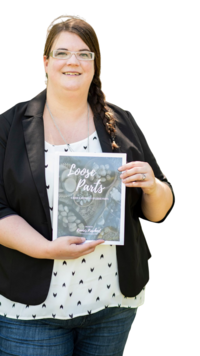
This guide is loaded with ideas, inventory lists, and resources to support you in conveying the learning that is happening while children play!

I only want creativity filling your inbox, so you'll see inspiration and support dropping in...but not too much!
We respect your privacy. Unsubscribe at any time.

Are You New to The Reggio Emilia Approach?
You might have heard fellow educators talk about The Reggio Emilia Approach and embracing a Reggio-inspired practice in their settings. Maybe you’ve scrolled through Pinterest, admiring natural materials, soft lighting, and aesthetic setups—but still found yourself wondering:
What exactly is The Reggio Emilia Approach?
How does it actually work?
Am I “Reggio enough” to do this?
I get it. When I first started learning about Reggio, I felt the same way—excited, curious, but also overwhelmed by all the information out there.
But here’s the truth:
- The Reggio Emilia Approach isn’t about copying a look—it’s about a way of thinking.
- It’s not about having all the answers—it’s about learning how to ask better questions.
- And most importantly, it’s about embracing a practice that aligns with your values, your children, and your setting.
Today, I’m going to break down what you need to know about The Reggio Emilia Approach—so you can start your journey with clarity and confidence.
Why is The Reggio Emilia Approach Important?
You may come across people in the early years profession who believe that being reggio inspired is simply having natural baskets and wooden toys.
However, as much as the Reggio Emilia Approach values beautiful environments and materials, this comes from their strong images of children, families and educators that guide their interactions, relationships and decision making. This means that this movement towards valuing and supporting all 3 protagonists is changing the perspective of early childhood education to a more holistic and relationship based approach and reading this tells me you’re at least curious about it all and the potential impact it can have on your role.
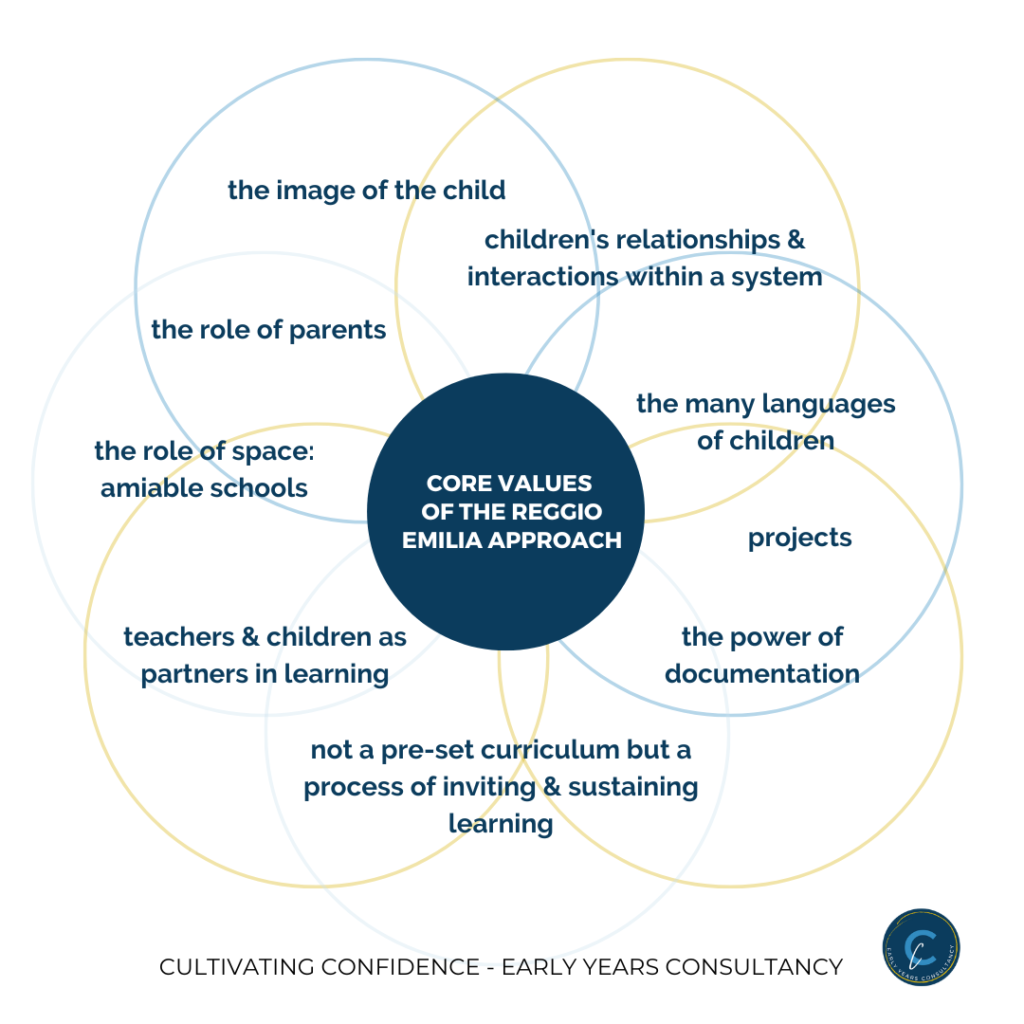
When you embrace the reggio values and principles into your practice, you’ll be able to confidently educate children, families and yourself with creativity and connection.
On top of that you’ll find a new profound level of trust with the children and yourself that will create more ease in your day and deeper engagement from the children.
For example:
After reflecting on my image of the child and educator, I was able to see opportunities during everyday experiences that allowed me to implement my image of the child as strong, capable, valued and competent learners.
I didn’t rush into solve problems.
In fact I once said I didn’t know how to help them one time when the problem was each child had an awesome idea to solve their problem and me picking one wouldn’t help. It felt weird in that moment to admit it as an adult to children, but they went back to the drawing board and solved their own problem!
Background on The Reggio Emilia Approach
Don’t worry, this is not some boring history class.
One of the best ways to understand a new concept is to travel back in time and understand where it came from and the processes that led to its inception.
For The Reggio Emilia Approach®, we have to look at a tiny city called Reggio Emilia, Italy just after World War II.
Believe it or not, the first Reggio Schools were built out of the rubble from World War II, because the women of the community wanted something different for their children. After being oppressed, having their freedoms taken away and schools becoming authoritarian, the women of the community and Loris Malaguzzi built a new approach to early childhood education that was founded on rights of all 3 protagonists.
This transformative approach to early childhood education has revolutionized how we view children, nurture their development and which in turn has moved educators roles from “teaching” to co-learners, facilitators and researchers.
Dr. Diane Kashin has an excellent blog on The Studio Approach to early childhood education that is influenced by the Ateliers of The Reggio Emilia Approach. Check it out over here
What is The Reggio Emilia Approach to Early Childhood Education?
At its core, The Reggio Emilia Approach is an educational philosophy that sees children as:
- Strong and capable learners
- Curious researchers of their own world
- Active participants in their learning
Instead of following a set curriculum, educators observe, listen, and respond to children’s natural curiosity—co-constructing learning experiences together.
This approach is deeply relationship-based, viewing learning as something that happens in collaboration between:
Children – The protagonists of their learning
Educators – Researchers and co-learners alongside children
Families & Community – Equal partners in the child’s learning journey
But before we dive deeper, let’s clear up some common misconceptions.
Myths: What The Reggio Emilia Approach is NOT
If you’re new to this approach, you’ve probably seen plenty of misconceptions floating around. Let’s clear them up.
Myth #1: “I’m not Reggio enough.”
Truth: There is no “right” way to have a Reggio Inspired Practice. Your practice will look different from others because it is shaped by YOUR context. Your program will never be EXACTLY what is in Reggio Emilia because you’re not in Italy! The goal is to learn from the Reggio Educators and subsequently apply it to our own contexts….it’s never been about copying.
Ask yourself: How can I bring these values into my practice in a way that feels authentic?
Myth #2: “How do I make my environment LOOK Reggio?”
Truth: It’s not about aesthetic perfection. A true Reggio-inspired environment should reflect the children, families, and educators within it. This approach is a way of thinking and having a strong image of the child, educator and family….your setting will be as unique as the people in it. The Reggio Emilia Approach helps us move away from conformity towards individuality and community…with the people actually in your setting.
Ask yourself: Take a look at your learning environment. What is it communicating? How might you make it more inviting to exploration?
Myth #3: “Am I doing it right?”
Truth: There’s no formula to follow—the key is observation, reflection, and responsiveness. The biggest shift that transformed my practice was embracing reflection as a daily habit. In Reggio-inspired practice, reflection isn’t an afterthought—it’s essential. That’s why I use the Reflective Practice Pathway: Research → Reflect → Renew.
Reflective Practice Pathway for Your Reggio Inspired Practice
It’s a cycle of ongoing learning and growth, and once you start using it, you’ll begin to see small shifts that lead to deeper transformations.
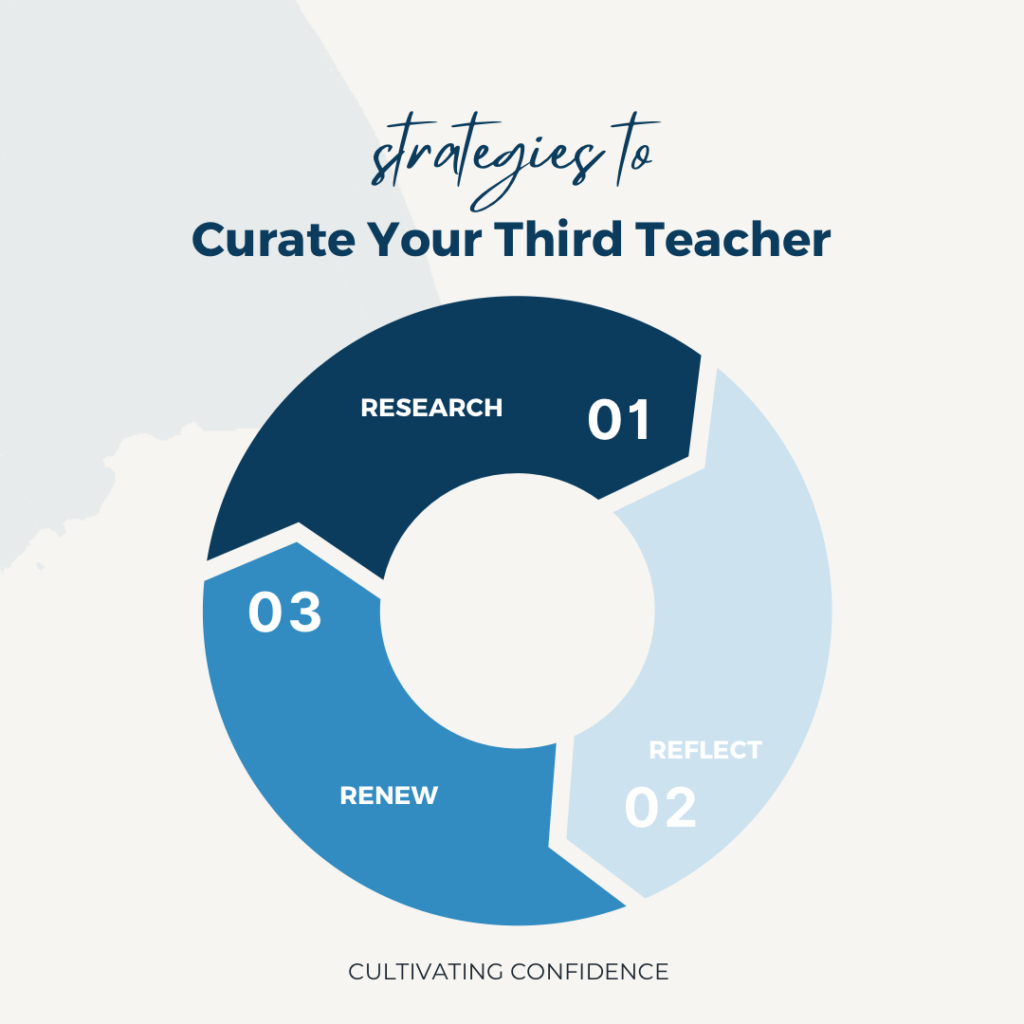
Step 1: Research (Observe & Gather Information)
- What do I notice about how children interact with their environment?
- How do I currently see my role as an educator?
Step 2: Reflect (Make Meaning from What You See)
- What is going well?
- What feels challenging?
- What assumptions am I holding about learning?
Step 3: Renew (Make Small, Intentional Changes)
Instead of overhauling everything at once, pick ONE small shift to try.
- Maybe it’s pausing before stepping into play.
- Maybe it’s offering children more choice.
- Maybe it’s rearranging materials to encourage self-initiation.
Pause and reflect: Which of these myths have you believed? What mindset shifts might help you let go of them?
The Reggio Emilia Approach is Not About Knowing the Answers
It’s about leaning into the wonders, questions and problems that arise and THINKING about new perspectives to engage the children’s curiosities and yours.
After this you turn on your ECE superpower, researching, to understand how children acquire knowledge and best support them.
As a result of embracing this way of thinking, you’ll now be able to move forward in your journey with a clearer understanding, and use your reflective practice to make meaningful and purposeful changes.
Now that we’ve busted these misconceptions and have a clear mind to start your journey with The Reggio Emilia Approach, take the next 30 min and watch this video, as I walk you through the next steps to creating a practice that represents you, the children and families in your context.
I can’t wait to hear how you reflect this beautiful approach into your setting.
Leave a comment on the blog so we can continue the conversation and learn alongside each other.
Start Your Reggio Inspired Practice – FREE GUIDE
Not quite ready for the full training? That’s okay!
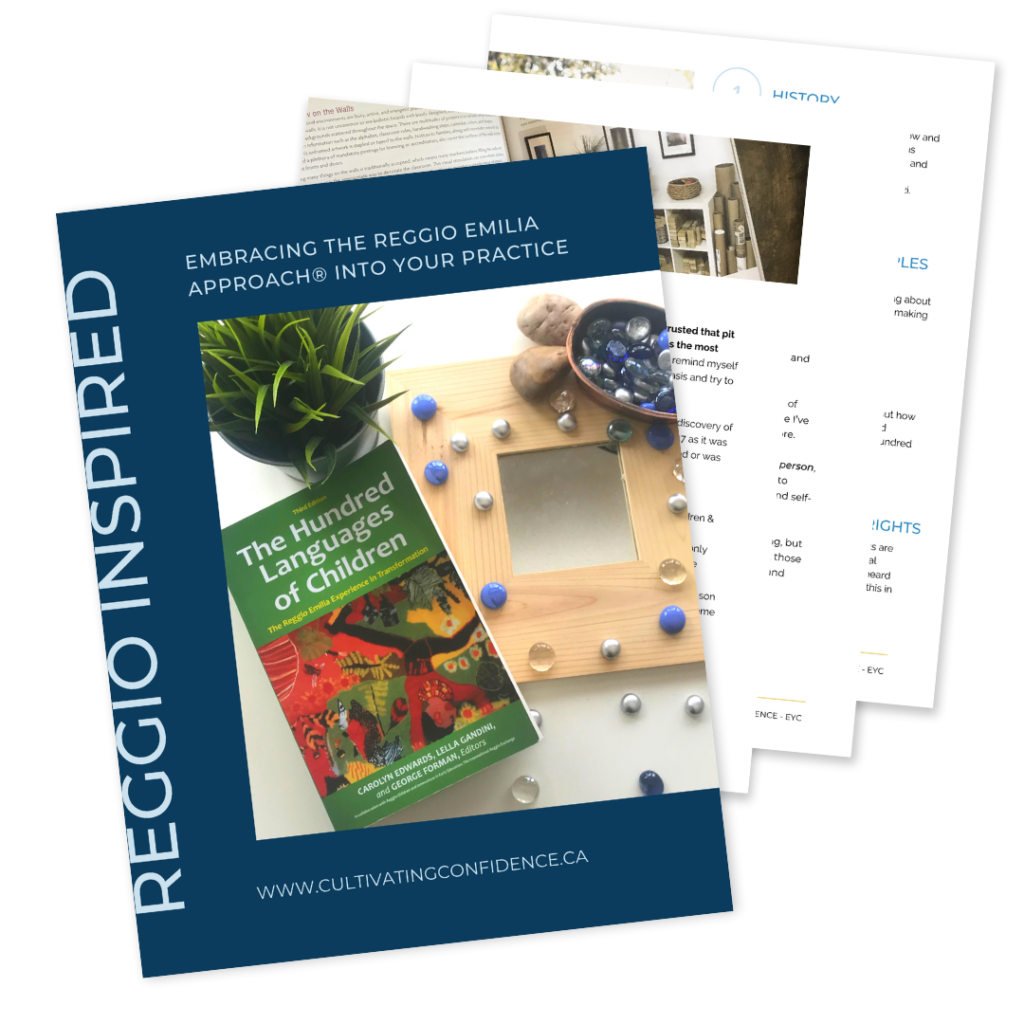
📖 Grab my FREE guide to help you build a strong foundation in Reggio-inspired practice.
✅ Learn about the core values of Reggio
✅ Get reflection prompts to clarify your approach
✅ Start with practical first steps to shift your practice
Final Thoughts: The Journey Starts Now
Reggio isn’t about perfection—it’s about reflection, adaptation, and curiosity.
💬 Which mindset shift resonated with you the most? Drop a comment below—I’d love to hear from you!
Your Reggio-inspired journey starts today. Let’s embrace it together.
LINKS MENTIONED
Reggio Inspired Practice – Free Guide
The Reggio Emilia Approach In A Nutshell – Video


Leave a Reply
DIRECTOR/LEADERSHIP
EARLY CHILDHOOD EDUCATOR
resources for eces
resources for teams
let's get to know each other
WHAT'S YOUR EARLY YEARS PATH?
OR
explore inspiring & practical resources
support your team with curated PD

learn when & where you want
THE MODERN EDUCATOR TOOLKIT
Discover Ideas you can use now
BUILD YOUR TEAM PD HERE
CUSTOM TEAM PD BUNDLE

Inside you'll find a toolkit filled with instant & fresh ideas of hands-on-learning that will take the guesswork & stress out of using loose parts, planning and understanding behaviours.
Customize your teams PD experience with the ability to pick and choose on-demand trainings so that your educators can solve problems, take intentional actions & grow in their practice within the areas they actually want support in.
BEST VALUE!



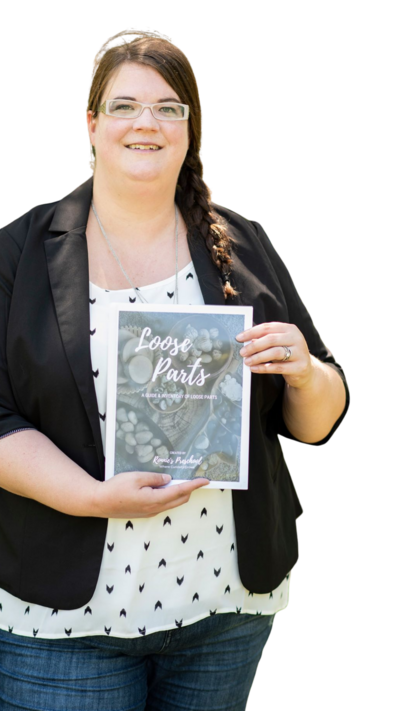
I'M VERONICA.
EARLY YEARS CONSULTANT
Here to help you simplify planning, understand behaviours & build strong relationships...all with the magic of loose parts!
ENGAGE YOUR CURIOSITY
MY EARLY YEARS JOURNEY
THE MODERN EDUCATOR TOOLKIT
FOR ECE'S
CUSTOM TEAM PD BUNDLE
FOR TEAMS
CONTACT
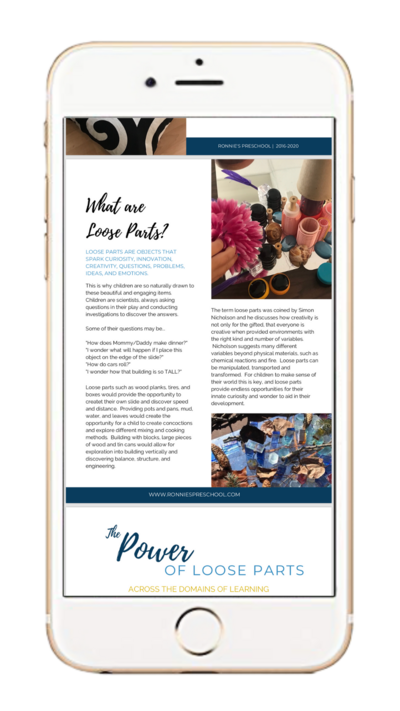
get your
guide!
Wanna know how to GET STARTED with these magical materials?
find out right here!


back to top
WEEKLY EMAIL
join the
let's stay connected...
Only inspiration & support will drop in your inbox. Unsubscribe at anytime.
CLOSE
I'M VERONICA.
Here to help you simplify planning, understand behaviours & build strong relationships...with the magic of loose parts!
EARLY YEARS CONSULTANT
download your free loose parts guide


VERONICA
POSTED BY:
also known as Ronnie!
SPECIAL NEEDS MOMMA &
EARLY CHILDHOOD CONSULTANT
Inspiring and mentoring my fellow educators how to use loose parts to enhance all aspects of their practice. I share my dual roles of educator & momma and how our autistic son has shown me so many new perspectives.
read about my early years journey